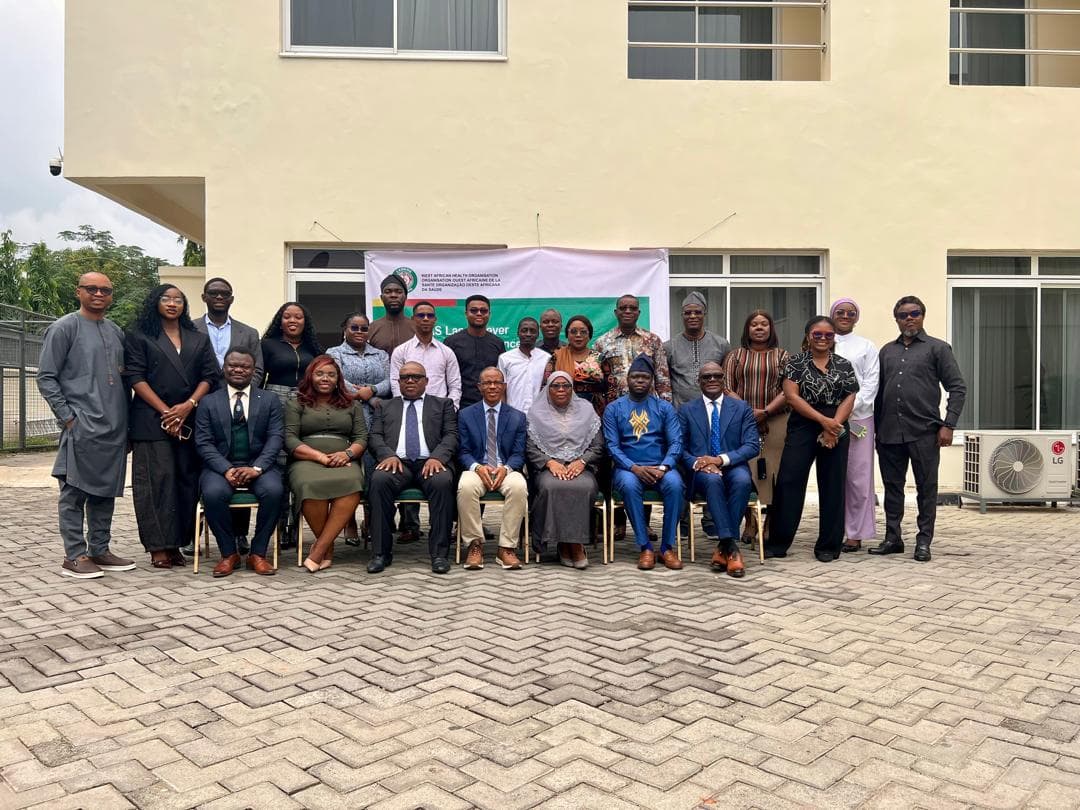
Experts from the international Lassa fever working group met in Abuja, Nigeria, to design and coordinate the response to the persistence of the outbreak.
Professor Emaleu Kakdeu Serge Blaise, CEO of the Camassistance Health Science Management and Research Institute (CHSRI), took part from August 17 to 21, 2026 in Abuja, Nigeria, in the work of the International Lassa Fever Working Group. His participation places Camassistance at the heart of international discussions on one of the leading emerging infectious threats in West Africa.
The meeting of the International Lassa Fever Workshop Working Group in Abuja comes amid a particularly worrying context for several countries in the sub-region. In Nigeria, for example, health authorities continue to strengthen surveillance and response to Lassa fever. Official health sources report new confirmed cases recorded in several states.
Professor Emaleu Kakdeu Serge Blaise's presence at this major international platform reflects the determination to strengthen CHSRI's contribution to African and international public health initiatives. It also feeds into discussions on prevention, surveillance, research, diagnosis, patient care, and strengthening the capacity of health systems to respond to Lassa fever. For Africa's private health sector, the challenge is also to foster better coordination between medical expertise, scientific research, innovation, training, and international cooperation.
Lassa fever is a viral hemorrhagic disease particularly present in West Africa. It is mainly transmitted to humans through exposure to food or objects contaminated with the excrement or urine of infected rodents. Human-to-human transmission can also occur, particularly in healthcare facilities where infection prevention and control measures are not sufficiently observed.
The disease remains an international research priority. According to the Coalition for Epidemic Preparedness Innovations (CEPI), several vaccine candidates are currently under development, while researchers continue working to better understand the immune mechanisms that could protect against the virus.
Camassistance, an African Voice in Global Health Issues
The participation of Camassistance's CEO in this international meeting is also an opportunity to advance an African vision of health, grounded in cooperation, innovation, and the development of local capacity.
In an African health landscape where infectious diseases know no borders, the sharing of experience among professionals has become a necessity. Strengthening expert networks, the flow of knowledge, and pooling expertise can help improve countries' ability to rapidly detect and respond to health threats. Professor Emaleu Kakdeu Serge Blaise's presence in Abuja also opens up an interesting prospect for strengthening health cooperation between Camassistance and health authorities in the West African sub-region. Through his participation in the Abuja proceedings, Professor Emaleu Kakdeu Serge Blaise positions CHSMRI within an international dynamic aimed at better preparing Africa for future epidemics.
Lassa fever is thus a reminder that health security must be considered at the regional level. For Africa, the challenge is clear: turning scientific and medical cooperation into concrete solutions capable of saving lives, strengthening health systems, and better anticipating future health crises.